Cybersecurity in K–12 education requires more than protecting accounts and blocking unauthorized access. Districts also need to control how much student information flows between connected applications. During Cybersecurity Awareness Month, technology leaders have an opportunity to examine not just whether their systems are secure, but whether those systems share more student data than necessary. Reducing data exposure starts with controlling what applications receive, not just who can access it.
An Approved Connection Is Not the End of the Security Review
Access controls, authentication, and secure connections are essential. But an application can have an approved integration and still receive more student information than its educational purpose requires.
Single sign-on (SSO) helps establish a user’s identity. It does not, by itself, govern which student data connected applications receive or how that information is used.
Consider a learning application that needs to recognize students, assign activities, and track progress. Does it need each student’s full name and district-wide identifier? Does it need an entire roster or just the students using the application? Are optional data fields necessary, or are they included simply because the integration makes them available?
These questions move the security review beyond whether a vendor is approved to whether each data exchange is justified.
SchoolDay’s ecosystem orchestration approach helps districts focus on governing data movement, not just authenticating access.
Make Data Minimization an Architectural Decision
Data minimization means sharing only the information needed for a defined purpose. Rather than relying solely on vendor agreements or broad permissions, districts can build this principle into how applications exchange information.
Technology teams can start by identifying the data each integration actually needs, reviewing API permissions and service accounts, limiting access to relevant students, and establishing clear rules for access expiration and revocation. They should also consider whether exports, logs, and support workflows create unnecessary copies of student information.
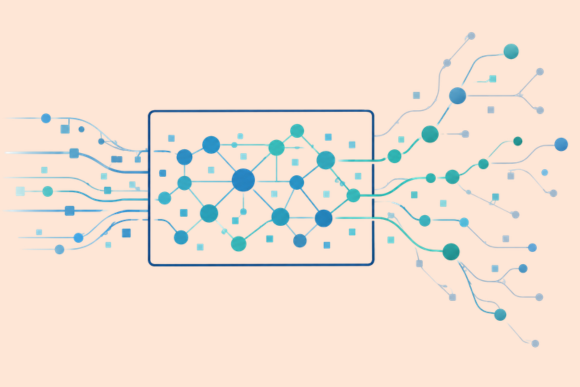
Tokenization, which replaces a sensitive identifier with a substitute value, is a practical way to reduce exposure when an application needs to recognize a student without receiving the student’s underlying identity. For example, a learning application might receive a student token, class association, and instructional level to deliver activities and track progress. An authorized district workflow can connect those results to the appropriate student record when necessary.
Why Unnecessary Data Sharing Cannot Wait
Every unnecessary copy of student information creates another place where that information must be protected, monitored, and eventually deleted. As data moves into vendor databases, exports, logs, and support workflows, the district’s responsibility becomes harder to manage. Technology teams must account not only for the original disclosure, but also for the access, retention, and deletion practices surrounding those additional copies. SchoolDay’s governance guidance emphasizes documenting where information resides, which fields move, why they are needed, and how long each system retains them.
This is why data sharing is a cybersecurity issue, not simply an integration decision. A district can strengthen its own defenses while sensitive information remains distributed across systems outside its direct operational control. Limiting replication of personally identifiable information reduces the sensitive data exposed within downstream applications and narrows the risk associated with those integrations.
The stakes are especially high in education. CISA identifies the extensive personal and financial information maintained by schools as a reason K–12 organizations attract cyberattacks. Protecting that information requires more than securing the district’s network. It also requires examining how much information connected services receive and retain.
Revoking Access Does Not Resolve Every Existing Copy
Ending an integration and deleting previously shared information are separate tasks. Technology teams need to verify both: whether an application can continue receiving data and what happens to the information it already holds. SchoolDay’s governance checklist calls for evidence of retention and minimization practices across systems, not just a record of which applications have been approved.
That distinction makes prevention important. Reducing unnecessary disclosure at the point of exchange is more manageable than trying to account for avoidable copies after they have spread through the ecosystem. Tokenized, purpose-limited integrations offer a way to preserve useful functionality while reducing the raw student information that downstream applications need to hold.
Make the First Review the Start of an Ongoing Practice
The single-application review outlined above should be a starting point, not the entire effort. Use what it reveals to establish a repeatable standard: every shared field needs a defined purpose, every integration needs an accountable owner, and every application needs clear access and retention boundaries. Those expectations align with SchoolDay’s guidance on system ownership, access visibility, and documented data flows.
SchoolDay’s ecosystem governance and tokenized data exchange help districts put those principles into practice by governing what applications receive and reducing reliance on distributed copies of sensitive student records.
Cybersecurity Awareness Month is a useful moment to begin, but the need extends beyond October. Districts should not have to wait for an incident to discover that an application held information it never needed. The priority is to make that discovery now, reduce the exposure, and build the same discipline into every future integration.