EdTech vendors need to demonstrate not only what their products help students and educators accomplish, but also how they protect student information. A product that delivers valuable functionality without requiring unnecessary access to personally identifiable information (PII) has a compelling advantage in school district procurement. Tokenized student data offers vendors a way to support useful product features while reducing reliance on raw student identifiers.
SchoolDay’s tokenized exchange model enables applications to receive substitute identifiers, limited attributes, or derived claims instead of raw identity data where appropriate. For vendors, that creates an opportunity to demonstrate a concrete privacy capability rather than relying solely on general assurances about data security.
What Tokenization Means for EdTech
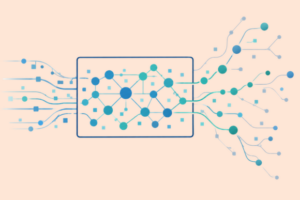
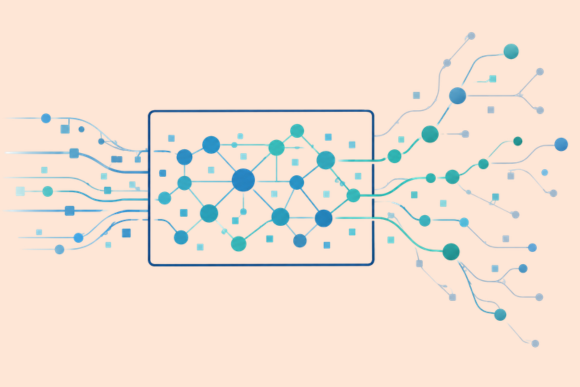
Tokenization replaces a sensitive identifier with a substitute value. Instead of receiving a student’s name or district-wide student ID, an application might receive a token such as learner_7F92 to recognize the same learner across relevant activities.
The application can associate assignments, activity, and progress with the correct account without necessarily knowing the student’s underlying identity.
The distinction is important: a product may need to recognize a learner without needing to know who that learner is.
This approach also supports data minimization: limiting the student information an application receives and stores to what it actually needs. When a product can function with a token instead of a name or district-wide student ID, it can avoid collecting and retaining those direct identifiers. That does not eliminate privacy or security risks, but it reduces the identifying information the application must protect.
Whether direct identification is necessary depends on the product’s features and the district’s requirements.
Preserve Product Functionality While Reducing Data Exposure
Consider a reading practice application that delivers assignments, tracks completed activities, and reports progress to a district.
A tokenized integration might provide a student token, a class association, and the instructional attributes needed to select appropriate content. The application can then support its core functionality without automatically receiving a complete student identity record.
Other features may have different requirements. A family communication tool may need contact information, while a practice activity may not.
Evaluating data requirements at the feature level helps vendors avoid treating every available student field as a necessary part of the integration.
SchoolDay’s approach to tokenized exchange and ecosystem governance supports more purposeful data sharing between districts and educational applications.
Turn Privacy Architecture into an RFP Advantage
Districts need more than assurances that student data is secure. They need to understand what information a product receives and how that information is handled.
A clearly documented tokenized integration gives vendors a stronger basis for answering procurement questions:
- Which student identifiers can be replaced with tokens?
- Which identifiable fields remain necessary to support product features?
- How does the application associate activity with the correct learner?
- Where is identity mapping maintained, and who can access it?
- How are retention, deletion, and access termination handled?
- What additional student information is collected outside the integration?
These answers help district reviewers evaluate the actual architecture. They also give product, engineering, sales, and legal teams a consistent way to explain the product’s privacy capabilities.
The differentiator is not simply offering tokenization. It is demonstrating that the product can deliver meaningful functionality with a narrower data footprint.
Make Privacy Claims Precise and Credible
Tokenization does not automatically make student data anonymous or remove applicable privacy obligations. A product may still collect identifying information through uploaded documents, student responses, device data, or support records.
Vendors should be clear about which identifiers are replaced, how tokens are scoped, how authorized identity matching works, and what identifiable information remains.
This precision builds credibility with district technology leaders. It replaces broad privacy promises with an architecture that procurement teams can evaluate.
Give Districts a More Privacy-Conscious Integration Option
SchoolDay provides vendors with a platform for district data exchange and supports tokenization as part of its approach to protecting student information while enabling educational applications.
Offering a documented tokenized integration option gives vendors a practical way to demonstrate privacy-conscious product design, explain data requirements, and respond to district expectations for responsible student data use.
An EdTech product doesn’t need to collect more student information to deliver more value. By designing integrations around what each feature actually requires, vendors can support educational outcomes while making data minimization part of their competitive advantage.
Consider how a vendor might describe a learning application before a district asks about privacy: “Our platform connects student assignments, activity, and progress to deliver personalized learning experiences.”
With tokenized integration, that vendor can make its value proposition more specific: “Our platform connects assignments, activity, and progress to the right learner using a district-provided token. We don’t need to collect or store students’ names or district-wide student IDs to support those features.”
The educational benefit remains the focus, but the vendor now has a concrete answer to a district’s privacy concerns. Rather than relying on a broad assurance that it takes student privacy seriously, it can explain which identifiers its product does not need and how its integration avoids collecting them. That gives the vendor a meaningful distinction to bring into product demonstrations, procurement responses, and conversations with district technology leaders—not as a promise that tokenization eliminates risk, but as evidence that limiting unnecessary data collection is part of the product’s design.
Explore SchoolDay’s data exchange solutions for EdTech vendors.
Frequently Asked Questions
What is tokenized student data in EdTech?
Tokenized student data uses substitute identifiers in place of sensitive identifiers, such as a student’s name or district-wide ID. An application can use a token to associate activities with the correct learner without necessarily receiving the student’s direct identity.
How can tokenization help EdTech vendors differentiate their products?
Tokenization can help vendors demonstrate that their products support educational functionality while reducing unnecessary access to identifiable student information. A well-documented implementation can also provide concrete evidence of data minimization for district procurement and RFP evaluations.
Does tokenization make student data anonymous?
Not necessarily. Tokens may be linked back to an individual through a separate identity-mapping process or combined with other identifying information. Tokenized data may still be subject to applicable privacy requirements, depending on the implementation and circumstances.
What student information should an EdTech application receive?
An application should receive the information reasonably necessary for its approved educational purpose and supported features. Vendors should evaluate data requirements at the feature level rather than automatically requesting every field available through an integration.
What should EdTech vendors explain about tokenized integrations in an RFP?
Vendors should identify which fields are replaced by tokens, which identifiable data remains necessary, how identity matching and access are controlled, and how retention and deletion are managed. They should also disclose relevant data collection that occurs outside the integration.
How does SchoolDay support tokenized data exchange for EdTech vendors?
SchoolDay provides an API framework for district data exchange and supports tokenized exchange as part of its approach to reducing unnecessary exposure of student information. Vendors can explore how this approach fits their product requirements and district integration needs.