Student data privacy is a front-line challenge for every K-12 school district. Every login, classroom app, and assessment platform contributes to an expanding digital ecosystem where sensitive information moves constantly between systems. Unfortunately, many schools still rely on traditional rostering models that were never designed for this scale or complexity.
For years, rostering data made it easy to sync student information across tools. But as districts now integrate hundreds of edtech vendors, sharing raw Personally Identifiable Information (PII) across these systems exposes a growing attack surface. Every new integration introduces new privacy risks, compliance headaches, and potential breaches.
The Shift to Privacy by Design in K-12
Modern K-12 data security requires a new framework rooted in privacy by design and zero trust architecture. These principles, long used in enterprise cybersecurity, ensure that no user, system, or vendor is trusted by default. Every data request must be validated, encrypted, and monitored.
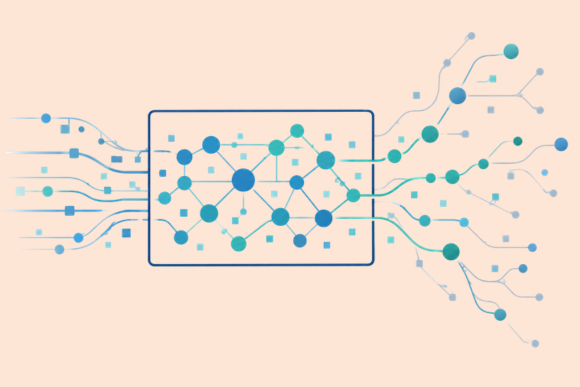
Tokenization in education brings these principles to life. Instead of sending a student’s actual name or ID to every learning app, tokenization replaces sensitive information with secure, context-based tokens. Applications can still function as intended, matching a student’s work to their record, but no one outside the district can ever view the underlying data. Even in the event of a breach, attackers gain nothing but encrypted tokens: meaningless data with no link to real individuals.
Data Sovereignty and Compliance Control
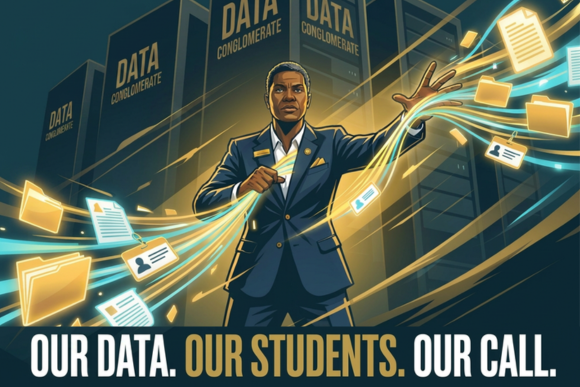
Beyond security, tokenization offers something school districts urgently need: data sovereignty. This means districts decide where data is stored, who holds encryption keys, and what access rules apply. With evolving privacy legislation such as FERPA, COPPA, and new state-specific data mandates, this kind of centralized governance is essential.
Boston Public Schools’ journey with SchoolDay demonstrates how a large, complex district can move from fragmented, siloed data flows to a centralized, governed, and auditable system.
“Our goal is to ensure that every piece of student and staff data is accurate, secure, and auditable,” said Miguel Duran, Director of Applications and Systems Integration. “With SchoolDay, we’re gaining the visibility and control we need to manage integrations centrally, proactively identify issues, and support our teachers and staff without them having to worry about lost learning time.”
Download the full case study here.
Districts using sovereign data models gain full transparency and control. Every access request can be logged, audited, and reported, making compliance easier while strengthening community trust. Ultimately, students, parents, and administrators all benefit when privacy is a built-in feature, not an afterthought.
Balancing Secure AI and Student Privacy
The explosion of AI in education adds urgency to the privacy conversation. Regulatory and academic sources warn that LLM training data may inadvertently include personal details and other sensitive information, creating a real risk of student PII exposure when schools use these systems. Addressing these risks doesn’t mean avoiding AI altogether; it means adopting solutions designed for secure AI in education.
When data is tokenized before it reaches AI tools, districts can tap into powerful analytics and adaptive learning without exposing real PII. AI models work with anonymized data, while authorized users, under strict district policy, can safely re-identify results when needed. This approach allows innovation and integrity to coexist.
From Rostering to Resilience
Moving beyond legacy rostering isn’t just a technical milestone. It’s a moral and operational transformation. Schools are custodians of some of the most sensitive data imaginable and protecting that information demands a model built on zero trust, encryption, and sovereignty.
Forward-thinking platforms are already leading this evolution. SchoolDay’s zero-trust ecosystem orchestration platform exemplifies how modern districts can take control of their digital ecosystems through centralized governance, tokenization, and always-encrypted operations. By returning data ownership to the district itself, this model redefines what “secure” truly means in the K-12 world.
SchoolDay is introducing the next era of K-12 data protection, which embeds privacy into the foundation of K-12 district systems, not as a policy, but as a practice. Tokenization, compliance automation, and sovereign control represent more than technical upgrades; they’re the building blocks of lasting trust in education.
The School Data Sovereignty Alliance exists to make data sovereignty actionable through shared learning and market alignment. By convening districts and vendors to study the copy-and-sync problem, evaluate practical controls, and publish clear guidance, the Alliance aims to raise the baseline for protecting student and parent PII across the K-12 ecosystem. Learn more and join the effort here.