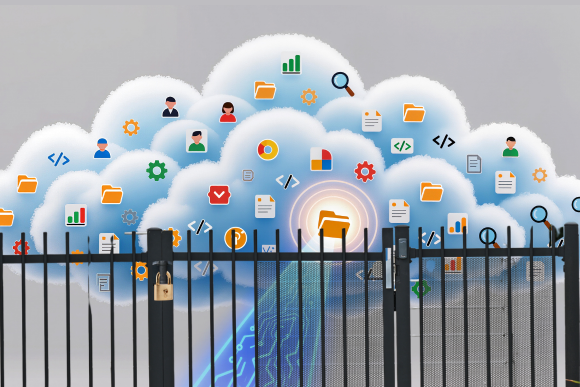
Modern classrooms run on data. From attendance and grades to learning analytics and AI-powered tools, schools now rely on a constant flow of information to support teaching, operations, and student well-being. As that data spreads across more systems and vendors, trust and transparency have become central to any discussion about K–12 data privacy and student data management.
Families want to understand how their children’s information is collected, used, and protected. Educators want confidence that the tools they use respect privacy and follow policy. District leaders must ensure compliance, minimize risk, and still enable innovation. Data governance provides the structure that helps schools balance all of these expectations while keeping student needs at the center.
Managing Data Is More Complex Than Ever
A decade ago, many districts primarily depended on a student information system (SIS) and a few core platforms. Today, most operate a much wider digital ecosystem: SIS, LMS, assessment tools, communication apps, intervention platforms, rostering services, data dashboards, and an expanding category of AI tools for instruction and productivity.
Each tool introduces new data flows:
- Student identifiers and enrollment data
- Academic performance and assessment results
- Attendance and behavioral insights
- Usage patterns and engagement metrics
When these tools are adopted quickly or adopted by individual schools and teachers without district oversight, it becomes harder to see the full picture of where student data lives and who can access it. State and national guidance stresses that clear governance structures are needed to define roles, responsibilities, and processes for the collection, management, and sharing of K–12 data. Without that, districts risk duplication, inconsistent practices, and gaps that can undermine privacy and security.
What Effective Data Governance Looks Like
Effective data governance is an ongoing, collaborative effort that defines who does what with data, under which rules, using which systems. Common elements in K–12 data governance frameworks include:
Clear roles and responsibilities: Designating data owners, stewards, and governance groups who are accountable for specific data sets, quality, and decision-making.
Policies and standards: Documenting what data is collected, why it is collected, how long it is kept, and how it can be shared, including alignment with FERPA, COPPA, and local privacy laws.
Documented processes: Standardizing how data is entered, validated, corrected, and reported so that it remains accurate and comparable over time.
From a practical standpoint, three operational capabilities are especially important for districts:
Centralized oversight of connected apps: Maintaining a current inventory of all applications that use student, staff, or family data, noting their purpose, approval status, and data flows.
Role-based access and privacy labeling: Granting access according to job function and classifying data by sensitivity (for example, PII, health-related, behavioral) so that protections match the level of risk.
Monitoring and review: Regularly reviewing data sharing practices and vendor agreements and watching for unusual access patterns or new integrations that may not yet have been vetted.
These practices support both compliance and culture, making it easier to meet formal requirements while also signaling to the community that the district takes data stewardship seriously.
Self-Sovereign Data: A New Way to Think About Ownership
As conversations about privacy and digital identity evolve, the idea of self-sovereign data is gaining attention. In this model, individuals have full control over their digital identity and personal information, storing it securely on their own devices or in digital wallets rather than in a single central database. They can then selectively share specific data with third parties for verification using technologies such as verifiable credentials and blockchain.
For K–12 education, self-sovereign data is still an emerging concept, but it aligns with goals many districts already have:
- Giving families more control over consent and access
- Reducing reliance on large, centralized repositories of sensitive information
- Making data more transparent and revocable
In a future where self-sovereign approaches are more widely adopted, a parent might approve limited, purpose-specific access to their child’s records for a particular learning app and later withdraw that approval with a few clicks. While most districts are not there yet, understanding this direction can help leaders frame data governance as not just a compliance requirement, but as part of a broader shift toward empowering students and families in the digital environment.
How Governance Supports Secure Interoperability and Innovation
Strong data governance also enables interoperability, the ability of systems to exchange and use information efficiently and securely. When districts define data standards, document integrations, and monitor data sharing, they can:
- Reduce redundant data collections and manual re-entry
- Improve data quality for reporting and decision-making
- Support personalized learning and student support without overexposing sensitive information
This is particularly important as AI tools enter the classroom. Districts need to understand what data AI tools access, where that data is stored, and how models handle or retain it. Governance structures and processes give a framework for evaluating AI solutions, setting boundaries for usage, and explaining those boundaries clearly to staff and families.
In this way, governance does not stand in the way of innovation; it creates the conditions that make innovation safer and more sustainable.
Practical Steps for Districts Getting Started
Districts at various stages of their data journey can still move toward stronger governance with manageable steps. Common recommendations from K–12 and state-level resources include:
- Establish a cross-functional data governance team that includes IT, curriculum, school leaders, and, when possible, student and family perspectives.
- Create or update a data governance policy that addresses data collection, sharing, retention, and security in unambiguous language.
- Build and maintain an inventory of systems and applications that use student data, including who owns them and how they are integrated.
- Provide training and communication so that staff understand their responsibilities and can explain data practices to families.
- Review vendor contracts and data-sharing agreements regularly, ensuring they align with policy and regulatory requirements.
Over time, these efforts help districts shift from ad hoc practices to a more consistent and transparent approach.
Where a Governance Platform Fits
Technology alone cannot solve data governance, but the right tools can make it much easier to operationalize the policies and structures districts put in place. Platforms designed for K–12 privacy and governance can help districts maintain an up-to-date view of their application ecosystem, classify risk, and support ongoing monitoring without relying entirely on manual spreadsheets or one-off audits.
SchoolDay’s Privacy Governance Console is one example of this type of platform. It is designed to give districts better visibility into which apps are in use, how they handle data, and where potential risks may exist, so that governance decisions can be grounded in accurate, current information. For districts that are formalizing their data governance frameworks or working to improve transparency with their communities, a tool like this can help put their policies into practice in a more consistent and manageable way.
If your district is exploring ways to strengthen data governance in schools, improve transparency, and support secure innovation, learning more about how a privacy governance platform can support those efforts may be a helpful next step.