
Back to School, Not Back to Breaches: How K-12 Schools Can Secure Student Data

As we head back to school, here’s what K-12 IT leaders should focus on to protect student data and keep learning on track in 2025,
From EdTech Chaos to a Governed Digital Ecosystem: Taking Back Control of Student Data

SchoolDay helps districts move from fragmented application management to a governed digital ecosystem through ecosystem orchestration, tokenized data access, and privacy-centered governance.
Why Bulk SIS Exports and “Copy & Sync” Are About to Cost EdTech Vendors Deals

Bulk SIS exports or copy & sync rostering are becoming one of the biggest liabilities an EdTech vendor can bring to a conversation with a district.
Why “No” Isn’t an AI Strategy
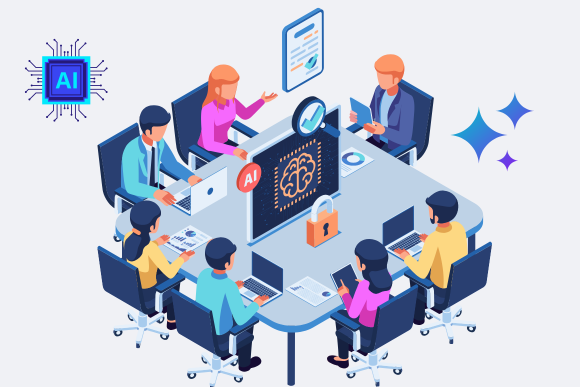
by Heather Sherburn The future of AI in schools won’t be decided by what districts block. It will be decided by the leadership systems they build to responsibly say “yes.” The future of AI in schools won’t be shaped by what districts block. It’ll be shaped by the systems leaders build that make it safe […]
Data Governance Is Now a Leadership Skill, Not Just an IT Task

Data governance is now part of the district’s values, judgment, and responsibility to students and families.
Turn Data Privacy into a Sales Advantage

For vendors who want better K-12 sales, they must stop treating privacy like a legal appendix and a make it a visible advantage.
K-12 Professional Development for Every Role in Your District

K–12 professional development that works for every role. Discover how SchoolDay Academy and Coursera Plus help your district build skills, support career growth, and improve retention across your staff.
Is Your District’s Data Privacy a Lawsuit Waiting to Happen?

Is your district a data privacy lawsuit waiting to happen? Redesign student data privacy before regulators, plaintiffs, or vendors do.
Your Student Data Is Not for Sale — Reclaim Your Sovereignty NOW

Schools should no longer accept a world where data exposure is the price of progress. Your student data is not for sale.
This Wasn’t a Breach. It Was a System Failure. And There Is a Solution.
This system failure is the clearest signal yet that K–12 and higher education are operating inside a data model that no longer works.